


Disposable 0.45μm Nylon Syringe Filter
Membrane Pore Size: 0.1 µm, 0.22 µm, 0.45 µm
Membrane Type: Cell, MCE, Nylon66, PVDF/B, PVDF/L, PES, PTFE/B, PTFE/L, CA, GF+CA, SFCA, PES Express
Materials: Shell: Polypropylene (PP), conforming to USP Class VI standards
Description
Technical Parameters

Disposable 0.45μm Nylon Syringe Filter (Pack of 100)
PTFE membranes are inherently hydrophobic; they are ideal for the filtration of nonpolar liquids and gases and are very resistant to solvents as well as acids or bases. Excellent chemical compatibility for filtering harsh chemicals that destroy other membrane materials. Use for filtering and de-gassing chromatography solvents or filtering viscous organic-based HPLC samples. Ideal for aerosol sampling and can be used as a moisture barrier for venting applications and vacuum pump line protection. After pre-wetting with alcohol, may be used for fine particle removal of aqueous and mild organic solutions in Ion Chromatography. Can be made more hydrophilic by flushing with alcohol, followed by water.
Features
● Nylon: Widely used, suitable for both aqueous and organic phases, resistant to alkali but not acid, has strong protein binding capacity, not recommended for filtering protein-containing liquids.
● PES (Polyethersulfone): Applicable to aqueous phase, has low protein adsorption, suitable for filtering biological culture media or serum, and has a fast filtration speed.
● CA (Cellulose Acetate) and MCE (Mixed Cellulose Ester): Applicable to aqueous phase, with a narrow pH tolerance range.
● RC (Regenerated Cellulose): Has strong chemical compatibility, but is not resistant to strong acids and bases, and has low protein adsorption.
● PVDF (Polyvinylidene Fluoride): Has strong chemical compatibility, low protein adsorption, but cannot filter DMSO.
● PTFE (Polytetrafluoroethylene): Hydrophobic membranes are suitable for filtering organic phases, while hydrophilic membranes can be used for both aqueous and organic phases, with the strongest chemical compatibility and almost universal applicability.

▲ Average wire diameter: 500µm; average spacing of wire column: 260 µm, with high regularity. The product consists of a 3D porous structure with good connectivity, facilitating the transmission of different nutritional ingredients in the course of the 3D cell culture, and ensuring the consistency of metabolic activity and accuracy of culture results
▲ In comparison to the 2D cell culture, the 3D cell culture allows for easier cell function expression since it simulates the 3D structure of human and animal cells to a maximum level and provides an ideal interactive environment between cells
▲ The 3D cell culture scaffold has a much larger culture surface area than conventional 2D cell culture products, thus saving on both space and material, and significantly improving cell culture efficiency and yield.
▲ Cells adhere strongly to the surface because of the advanced hydrophilic treatment
▲ No adsorption of cytokines or growth factors; cell and cell secretions can be directly isolated from the 3D scaffold when harvesting
▲ Sterilized by irradiation, SAL 10-6
▲ DNase/RNase-free, non-pyrogenic and non-cytotoxic
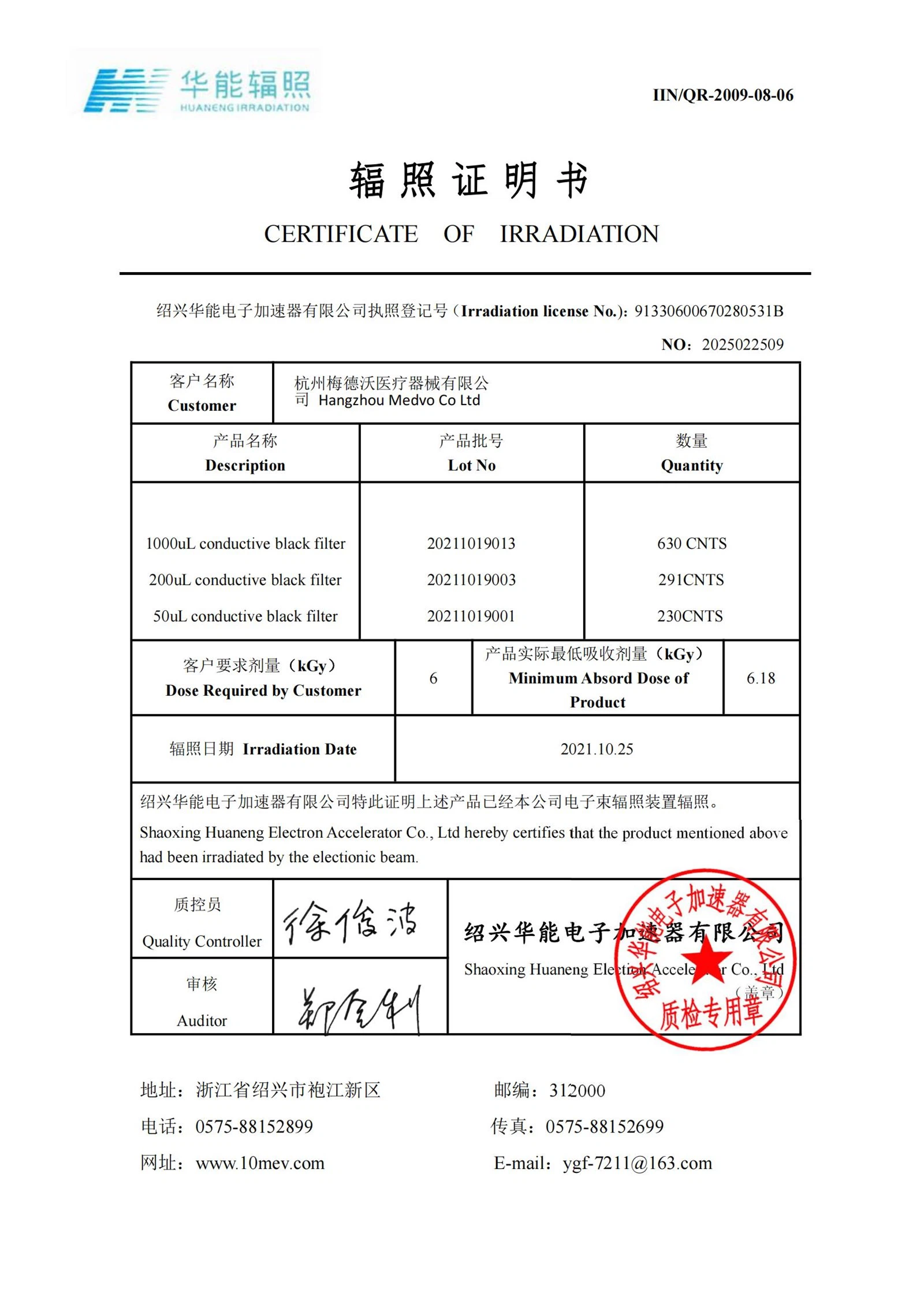
Our Certificate



Company Partner

OEM/ODM Service

Quality Checking Process


Production Process


FAQ
Q: Why should I choose a 0.45 µm nylon filter instead of a smaller pore size like 0.22 µm?
A: The 0.45 µm nylon filter offers a good balance between flow rate and particle retention. It allows for faster filtration and reduced backpressure, making it ideal for routine clarifications, buffer prep, and HPLC mobile phase filtration. While a 0.22 µm filter offers finer filtration, it can be slower or clog more easily for particulate-rich samples.
Q: Is nylon compatible with organic solvents?
A: Yes, nylon membranes are chemically robust and compatible with many organic-aqueous mixtures. However, very strong acids or highly aggressive solvents should be cross-checked with a compatibility chart.
Q: What is the hold-up volume?
A: For a 25 mm filter, the hold-up volume after air purge is typically around 100 µL.
This ensures minimal sample loss during filtration.
Q: Can these filters be sterilized?
A: We offer sterile versions of the filter which are sterilized via EO or gamma. Non-sterile versions are more economical and suitable for non-sterile applications like HPLC or buffer prep.
Q: What is the maximum operating pressure?
A: Depending on the housing, these filters can typically handle pressures up to ~87 psi (~6 bar).
Exceeding this may damage the filter, so it's important to operate within the recommended range.
Hot Tags: disposable 0.45μm nylon syringe filter, China disposable 0.45μm nylon syringe filter manufacturers, suppliers, factory, Large Volume Cell Culture Flask, Cell Scraper, Sterile Plastic Conical Erlenmeyer Flask, Cell Culture Multi Well Plate, Cell Culture Plate Insert, Disposable Vacuum Filter Units Distributor
Previous
No InformationSend Inquiry


