

Can I use a silicone sealing mat for sealing windows?
Jan 22, 2026
Leave a message
Can I use a silicone sealing mat for sealing windows?
As a supplier of Silicone Sealing Mats, I often receive inquiries from customers about the various applications of our products. One question that has come up frequently is whether a silicone sealing mat can be used for sealing windows. In this blog post, I will explore this topic in detail, considering the properties of silicone sealing mats, the requirements for window sealing, and the potential advantages and limitations of using a silicone sealing mat for this purpose.
Properties of Silicone Sealing Mats
Silicone sealing mats are made from high - quality silicone rubber, which offers several desirable properties. First and foremost, silicone has excellent elasticity. This means that it can easily conform to irregular surfaces and fill in gaps. When a force is applied to deform the silicone sealing mat, it will return to its original shape once the force is removed. This elasticity allows the mat to form a tight seal around various objects.
Secondly, silicone is highly resistant to temperature changes. It can withstand a wide range of temperatures, from extremely low to relatively high. For example, it can remain flexible in cold winter temperatures and will not melt or degrade in hot summer conditions. This temperature resistance makes it suitable for use in different climates.
In addition, silicone is resistant to moisture, chemicals, and UV radiation. Moisture resistance is crucial as it prevents water from seeping through the seal, which could lead to water damage, mold growth, and other issues. Chemical resistance ensures that the sealing mat will not be corroded or damaged by common household chemicals or pollutants in the air. UV resistance means that the mat will not become brittle or discolored when exposed to sunlight over time.
Requirements for Window Sealing
When it comes to sealing windows, there are several key requirements. A good window seal should prevent air leakage. Air leakage can lead to energy inefficiency, as heated or cooled air can escape from the building, increasing the energy consumption for heating and cooling. It should also keep out water, especially during rainy or snowy weather. Water infiltration can cause damage to the window frame, the interior walls, and the insulation.
Another requirement is durability. Windows are exposed to various environmental conditions throughout the year, including temperature fluctuations, wind, and sunlight. The sealing material should be able to withstand these conditions without losing its sealing ability over time. Additionally, the sealing solution should be easy to install and maintain. Homeowners or building managers should be able to install the seal without the need for specialized tools or professional help, and it should be easy to clean and replace if necessary.
Advantages of Using a Silicone Sealing Mat for Window Sealing
One of the main advantages of using a silicone sealing mat for window sealing is its excellent sealing ability. Due to its elasticity, the silicone sealing mat can create a tight seal around the window frame, effectively preventing air and water leakage. This can lead to significant energy savings, as less energy is needed to heat or cool the building.
The temperature resistance of silicone is also a major advantage. Whether it is a cold winter night or a hot summer day, the silicone sealing mat will maintain its flexibility and sealing performance. This makes it suitable for use in all climates, from the frigid Arctic regions to the scorching deserts.
Silicone sealing mats are also relatively easy to install. They can be cut to the appropriate size and shape using a sharp knife or scissors. Homeowners can simply place the mat around the window frame and press it firmly into place. There is no need for complex installation procedures or the use of adhesives in many cases, which reduces the installation time and cost.
In terms of maintenance, silicone sealing mats are easy to clean. A simple wipe with a damp cloth is usually sufficient to remove dirt and debris. And if the mat is damaged or worn out over time, it can be easily replaced.
Limitations of Using a Silicone Sealing Mat for Window Sealing
While silicone sealing mats have many advantages, there are also some limitations. One potential limitation is the cost. Silicone sealing mats can be more expensive than some other window sealing materials, such as traditional rubber gaskets or weatherstripping. This may be a concern for budget - conscious consumers.
Another limitation is the initial adhesion. Although silicone sealing mats can form a tight seal, they may not have the same level of immediate adhesion as some adhesive - based sealing products. In some cases, additional measures may be needed to ensure that the mat stays in place during installation, especially in areas with high wind or vibration.

The appearance of silicone sealing mats may not be as aesthetically pleasing as some other window sealing options. They may be more visible around the window frame, which could be a drawback for those who are concerned about the overall look of their windows and buildings.
Comparison with Other Sealing Options
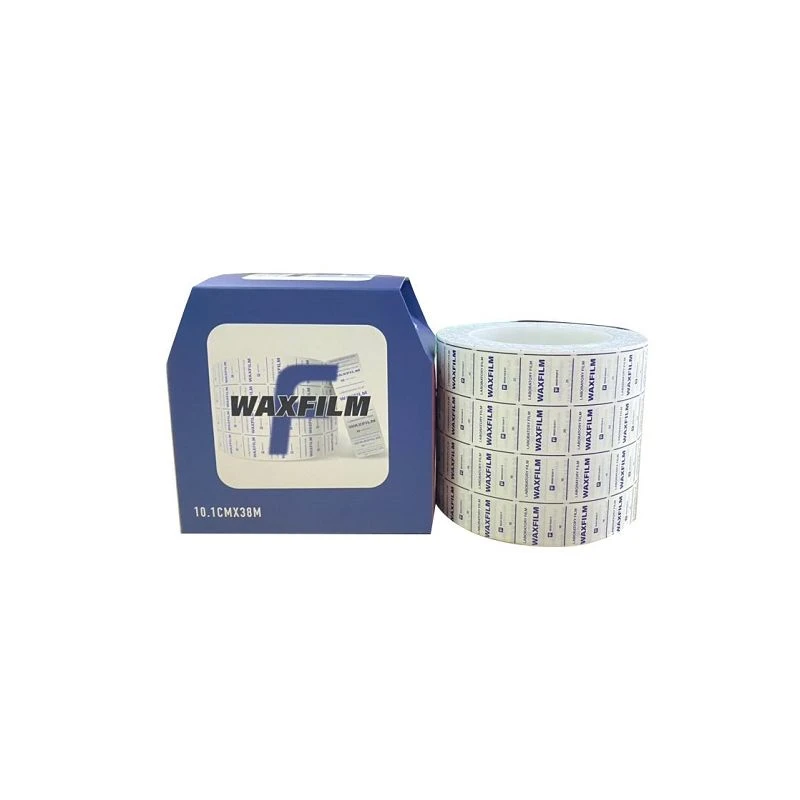
There are several other options available for window sealing, such as Parafilm Sealing Film and Aluminum Foil Sealing. Parafilm Sealing Film is a thin, flexible film that is often used for laboratory applications. While it can provide a good seal, it may not be as durable as a silicone sealing mat, especially when exposed to harsh environmental conditions. It is also less resistant to temperature changes and moisture.
Aluminum Foil Sealing is another option. Aluminum foil can provide some insulation and a barrier against air and moisture. However, it lacks the flexibility of a silicone sealing mat and may not conform as well to irregular window frames. It is also more prone to damage, such as tearing or puncturing.
In contrast, Silicone Sealing Mat offers a good balance of sealing performance, durability, and ease of use.
Conclusion
In conclusion, a silicone sealing mat can be a viable option for sealing windows. Its excellent elasticity, temperature resistance, moisture resistance, and ease of installation make it a strong candidate for this application. However, it is important to consider the cost, initial adhesion, and appearance when making a decision.
If you are interested in using a silicone sealing mat for your window sealing needs or want to learn more about our products, we encourage you to contact us for further discussion. We can provide you with detailed information about the product specifications, pricing, and installation guidance. Our team of experts is always ready to assist you in finding the best sealing solution for your specific requirements.
References
- "Silicone Rubber: Properties and Applications", Rubber Manufacturers Association.
- "Window Sealing Technologies: A Comprehensive Review", Journal of Building Envelope Science.