

Can laboratory glassware be used for heating?
Oct 08, 2025
Leave a message
Can laboratory glassware be used for heating?
As a supplier of laboratory glassware, I often receive inquiries from customers about the heating capabilities of our products. This is a crucial question, as improper heating of glassware can lead to breakage, safety hazards, and inaccurate experimental results. In this blog post, I will delve into the factors that determine whether laboratory glassware can be used for heating, the types of glassware suitable for heating, and the precautions to take when heating glassware.
Factors Affecting the Heating of Laboratory Glassware
Several factors influence the suitability of laboratory glassware for heating. The most important factor is the type of glass used in the manufacture of the glassware. Different types of glass have different thermal properties, such as thermal expansion coefficient, heat resistance, and chemical resistance.
- Thermal Expansion Coefficient: Glass with a low thermal expansion coefficient is less likely to break when heated or cooled rapidly. Borosilicate glass, for example, has a very low thermal expansion coefficient, making it highly resistant to thermal shock. This type of glass is commonly used in laboratory glassware that is intended for heating, such as beakers, flasks, and test tubes.
- Heat Resistance: The heat resistance of glass refers to its ability to withstand high temperatures without melting or deforming. Some types of glass, such as quartz glass, have extremely high heat resistance and can withstand temperatures up to 1000°C or more. Other types of glass, such as soda-lime glass, have lower heat resistance and are not suitable for high-temperature applications.
- Chemical Resistance: In addition to thermal properties, the chemical resistance of glass is also an important consideration when choosing glassware for heating. Glassware that is used for heating may come into contact with various chemicals, and it is important to ensure that the glass is resistant to these chemicals. Borosilicate glass is known for its excellent chemical resistance, making it suitable for use in a wide range of chemical reactions.
Types of Laboratory Glassware Suitable for Heating
Not all laboratory glassware is suitable for heating. Here are some common types of glassware that are designed to withstand heating:
- Borosilicate Beakers and Flasks: Borosilicate beakers and flasks are widely used in laboratories for heating and mixing liquids. They are made of borosilicate glass, which has excellent thermal and chemical resistance. These glassware items can be heated directly on a hot plate or over a Bunsen burner flame.
- Test Tubes: Test tubes made of borosilicate glass are also suitable for heating. They are commonly used for heating small amounts of liquids or solids. When heating a test tube, it is important to hold it at an angle and heat the liquid gently to prevent it from boiling over.
- Round-Bottom Flasks: Round-bottom flasks are often used in distillation and reflux experiments. They are made of borosilicate glass and are designed to withstand high temperatures and pressure. Round-bottom flasks can be heated using a heating mantle or a water bath.
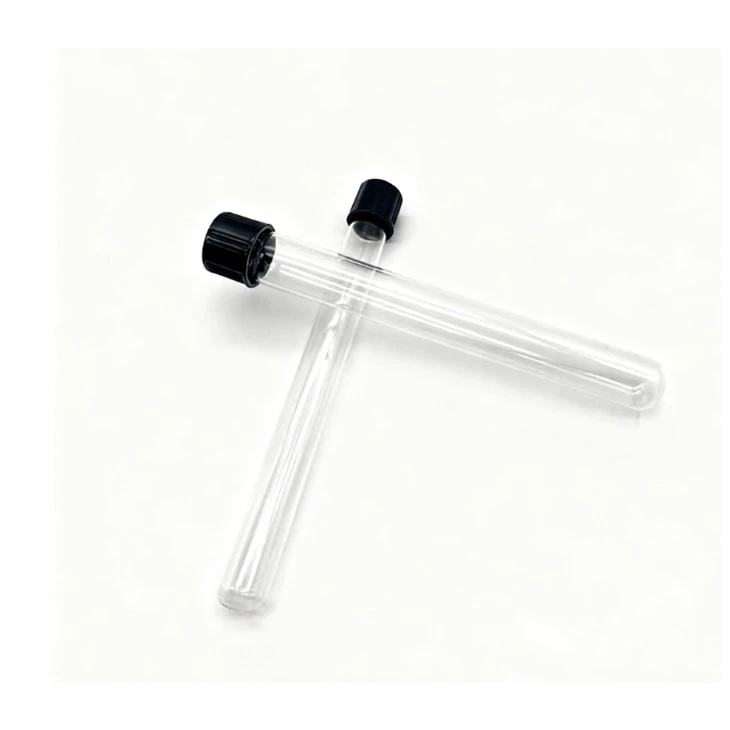
On the other hand, there are some types of glassware that should not be heated. For example, glassware with a screw cap, such as the Glass Tube with Screw Cap and Screw Cap Glass Sample Vial, are not designed for heating. The screw cap can prevent the expansion of air or gas inside the glassware, leading to an increase in pressure and potential breakage.
Precautions When Heating Laboratory Glassware
When heating laboratory glassware, it is important to take the following precautions to ensure safety and prevent damage to the glassware:
- Preheat the Glassware: Before heating glassware directly, it is a good idea to preheat it gradually. This can help to reduce the risk of thermal shock and prevent the glassware from breaking. For example, if you are using a beaker on a hot plate, start by setting the hot plate to a low temperature and gradually increase the temperature over time.
- Use a Heat Source Properly: When using a Bunsen burner or a hot plate, make sure to follow the manufacturer's instructions. Keep the flame or heat source centered under the glassware to ensure even heating. Avoid heating the glassware too close to the edge, as this can cause uneven heating and increase the risk of breakage.
- Avoid Overheating: Do not heat the glassware to a temperature higher than its recommended maximum temperature. Overheating can cause the glass to melt, deform, or break. If you are unsure about the maximum temperature of a particular glassware item, refer to the manufacturer's specifications.
- Use a Protective Device: When heating glassware, it is a good idea to use a protective device, such as a wire gauze or a ceramic tile, to distribute the heat evenly and prevent direct contact between the glassware and the heat source. This can help to reduce the risk of thermal shock and prevent the glassware from breaking.
- Wear Protective Gear: When working with heated glassware, always wear appropriate protective gear, such as heat-resistant gloves and safety goggles. This can help to protect you from accidental burns or injuries.
Conclusion
In conclusion, not all laboratory glassware can be used for heating. The suitability of glassware for heating depends on several factors, including the type of glass, thermal expansion coefficient, heat resistance, and chemical resistance. Borosilicate glassware is generally the best choice for heating applications due to its excellent thermal and chemical properties.
When heating laboratory glassware, it is important to take the necessary precautions to ensure safety and prevent damage to the glassware. By following the guidelines outlined in this blog post, you can safely and effectively use laboratory glassware for heating in your experiments.
If you are in the market for high-quality laboratory glassware, including items suitable for heating, please do not hesitate to contact us. We are a leading supplier of laboratory glassware, offering a wide range of products, including Mercury-Free Thermometer, beakers, flasks, and test tubes. Our team of experts is always available to provide you with professional advice and assistance. Contact us today to discuss your specific needs and start a procurement negotiation.

References
- ASTM International. (2023). Standard Specification for Borosilicate Glass Laboratory Glassware.
- Vogel, A. I. (1978). Vogel's Textbook of Quantitative Inorganic Analysis. Longman.
- Skoog, D. A., West, D. M., & Holler, F. J. (1996). Fundamentals of Analytical Chemistry. Saunders College Publishing.