

How do multi - channel pipette tips work?
Dec 16, 2025
Leave a message
Hey there, fellow lab enthusiasts! I'm a supplier of pipette tips, and today I'm super excited to dig into the nitty - gritty of how multi - channel pipette tips work.
First off, let's talk about what multi - channel pipette tips are. You know those single - channel pipettes that you use to transfer one liquid at a time? Well, multi - channel pipettes are like their supercharged cousins. They can handle multiple samples all at once, which is a total game - changer when you're dealing with high - throughput experiments. And of course, the multi - channel pipette tips are the key components that make this all possible.
So, how do they actually work? It all starts with the basic principle of air displacement. Just like single - channel pipettes, multi - channel pipettes operate on the air displacement principle. When you press the plunger of the pipette, you're pushing out a certain volume of air from the barrel of the pipette. This creates a pressure difference. When you place the tip of the pipette into a liquid and release the plunger, the air inside the barrel expands, and the liquid is drawn up into the tip due to the pressure difference.
In a multi - channel pipette, this process happens simultaneously in all the channels. The pipette is designed with multiple barrels, each corresponding to a separate tip. When you operate the plunger, the same amount of air is displaced in each barrel, allowing you to aspirate the same volume of liquid into each tip. This is crucial for maintaining consistency in your experiments.
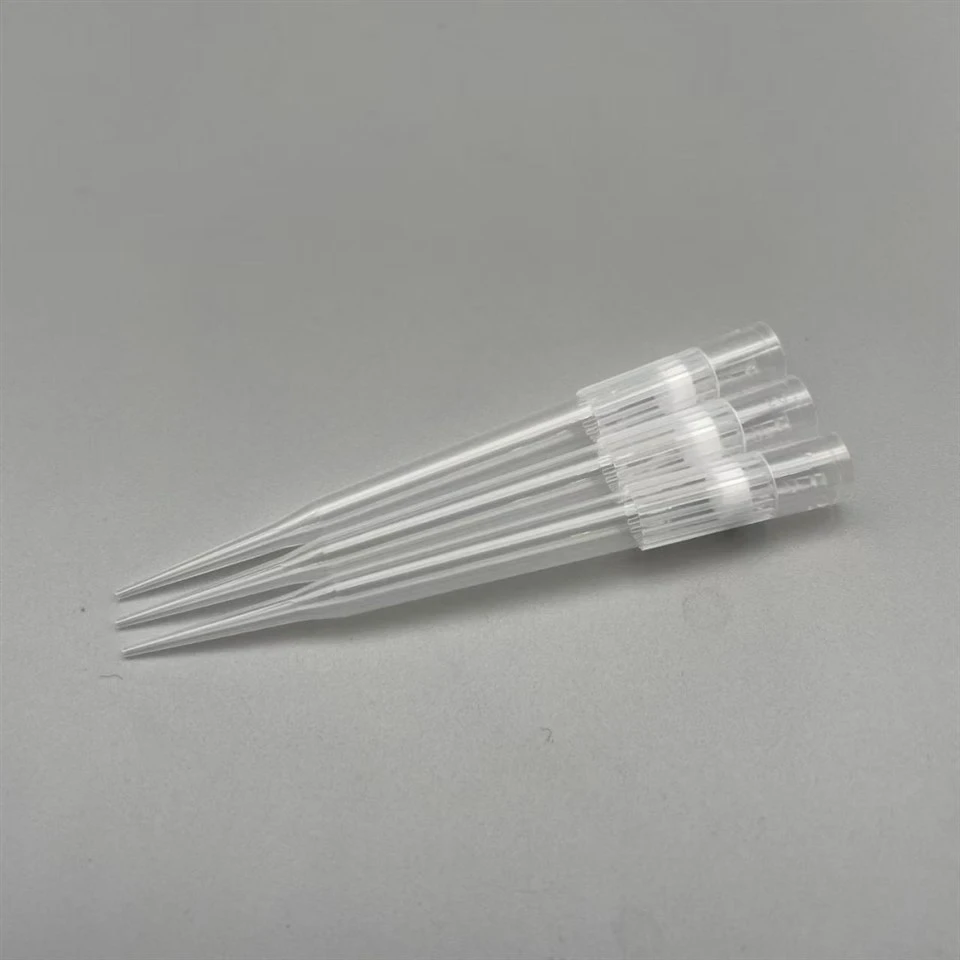
Let's take a closer look at the construction of multi - channel pipette tips. They are usually made of high - quality plastic materials such as polypropylene. This material is chosen because it's inert, meaning it won't react with most of the chemicals you'll be working with in the lab. It's also transparent, which allows you to easily see the liquid inside the tip.
The tips come in different sizes and shapes to fit different multi - channel pipettes. There are standard tips that are designed for general use, and there are also specialized tips for specific applications. For example, some tips are designed with a fine point for accurate dispensing into small wells, while others have a wider opening for faster aspiration and dispensing of viscous liquids.
Now, I want to introduce you to some of the popular types of multi - channel pipette tips we offer. We have the Eppendorf Tip. Eppendorf tips are well - known for their high precision and quality. They are designed to fit Eppendorf multi - channel pipettes perfectly, ensuring a tight seal and accurate liquid transfer. These tips are often used in research labs where accuracy is of the utmost importance.
Another great option is the Xantus Tip. Xantus tips are innovative in design. They are made with a special coating that reduces the surface tension of the liquid inside the tip. This means that the liquid is more likely to be dispensed cleanly and completely, without any residual liquid left in the tip. This is especially useful when you're working with small volumes of expensive reagents.
And then there are the Agilent Tips. Agilent tips are compatible with a wide range of multi - channel pipettes. They are known for their durability and reliability. Whether you're doing routine lab work or more complex experiments, Agilent tips can get the job done.
When using multi - channel pipette tips, there are a few things to keep in mind. First, always make sure the tips are properly attached to the pipette. A loose tip can lead to inaccurate liquid transfer and even contamination. You should also be careful when aspirating and dispensing liquids. Try to keep the tip at a consistent angle and depth in the liquid to ensure uniform aspiration.
It's also important to clean the tips regularly. Contamination can affect the accuracy of your results, so it's a good idea to use fresh tips for each new sample or experiment. If you need to reuse the tips, make sure to follow the proper cleaning and sterilization procedures.
In addition, calibration is key. Over time, the performance of your multi - channel pipette and tips can change. Regular calibration ensures that you're getting accurate and consistent results. You can use calibration solutions and follow the manufacturer's instructions to calibrate your pipette and tips.
As a pipette tips supplier, I understand the importance of providing high - quality products. We test all our multi - channel pipette tips to ensure they meet strict quality standards. Our goal is to help you make your lab work more efficient and accurate.
If you're in the market for multi - channel pipette tips, we'd love to hear from you. Whether you're a small research lab or a large pharmaceutical company, we have the right tips for your needs. We offer competitive prices and excellent customer service. If you have any questions about our products or need advice on which tips are best for your experiments, just reach out to us. We're here to help you make the best choice for your lab.
In conclusion, multi - channel pipette tips are essential tools in modern laboratories. Their ability to handle multiple samples at once saves time and improves efficiency. By understanding how they work and following the proper usage and maintenance procedures, you can get the most out of these amazing tools. So, don't hesitate to contact us if you're looking for top - notch multi - channel pipette tips. Let's work together to make your lab experiments a success!
References:
- General knowledge of laboratory equipment and pipette tip technology from industry experience.
- Product specifications and information provided by pipette tip manufacturers.