

How does a silicone sealing mat react to sunlight?
Dec 15, 2025
Leave a message
As a supplier of Silicone Sealing Mats, I've often been asked about how these versatile products react to sunlight. In this blog, I'll delve into the scientific aspects of this interaction, drawing on my experience in the industry and relevant research.
Composition and Properties of Silicone Sealing Mats
Silicone sealing mats are made from silicone rubber, a synthetic elastomer composed of silicon, oxygen, carbon, and hydrogen. This unique composition gives silicone sealing mats several desirable properties, such as high flexibility, chemical resistance, and thermal stability. These mats are commonly used in laboratories, kitchens, and industrial settings for sealing, protecting, and insulating various items.
The Impact of Sunlight on Silicone Sealing Mats
Sunlight is a complex mixture of electromagnetic radiation, including ultraviolet (UV) rays, visible light, and infrared (IR) radiation. Each component of sunlight can have different effects on silicone sealing mats.
Ultraviolet (UV) Radiation
UV radiation is the most energetic part of sunlight and can cause significant damage to many materials, including silicone. When silicone is exposed to UV rays, several chemical reactions can occur. The high - energy UV photons can break the chemical bonds in the silicone polymer chains. This process, known as photodegradation, can lead to a number of changes in the physical and chemical properties of the silicone sealing mat.
One of the most noticeable effects of UV - induced photodegradation is the discoloration of the silicone mat. Over time, the mat may turn yellow or brown, which can be aesthetically unappealing, especially in applications where a clean and clear appearance is required. Additionally, the mechanical properties of the silicone can be compromised. The mat may become brittle and lose its elasticity, making it more prone to cracking and tearing. This can reduce the effectiveness of the mat as a sealant, as it may no longer be able to conform to the shape of the object it is sealing.
Visible Light
Visible light generally has less of an impact on silicone sealing mats compared to UV radiation. However, long - term exposure to intense visible light, especially in combination with heat, can still cause some degree of degradation. The energy from visible light can contribute to the oxidation of the silicone, which can gradually change its surface properties. This may result in a slight loss of gloss and a change in the surface texture of the mat.
Infrared (IR) Radiation
IR radiation is mainly associated with heat. When a silicone sealing mat is exposed to sunlight, the IR radiation can cause the mat to heat up. Silicone has relatively good thermal stability, but excessive heat can still have an impact. High temperatures can accelerate the chemical reactions that occur during degradation. For example, the rate of oxidation and the breakdown of polymer chains can increase with rising temperatures. This can further exacerbate the effects of UV and visible light exposure, leading to more rapid deterioration of the mat.
Factors Affecting the Reaction to Sunlight
The reaction of a silicone sealing mat to sunlight is not solely determined by the sunlight itself. Several other factors can influence how quickly and severely the mat degrades.
Additives in the Silicone
Manufacturers often add various additives to silicone to improve its performance and durability. For example, UV stabilizers can be incorporated into the silicone formulation. These stabilizers work by absorbing or dissipating the UV energy, preventing it from causing damage to the polymer chains. Mats with high - quality UV stabilizers will generally have better resistance to sunlight and will degrade more slowly than those without.
Thickness of the Mat
Thicker silicone sealing mats tend to be more resistant to sunlight degradation. A thicker mat provides more material for the UV and other radiation to penetrate through before reaching the inner layers of the polymer. This means that the core of the mat is better protected, and the overall degradation process is slower compared to a thinner mat.
Environmental Conditions
The environment in which the silicone sealing mat is exposed to sunlight also plays a crucial role. If the mat is exposed to sunlight in a humid environment, the presence of moisture can accelerate the degradation process. Water can react with the degraded silicone products, leading to further chemical changes. Additionally, exposure to pollutants in the air, such as ozone and sulfur dioxide, can also enhance the degradation of the silicone.
Comparison with Other Sealing Materials
When considering the reaction to sunlight, it's useful to compare silicone sealing mats with other common sealing materials, such as Parafilm Sealing Film and Aluminum Foil Sealing.
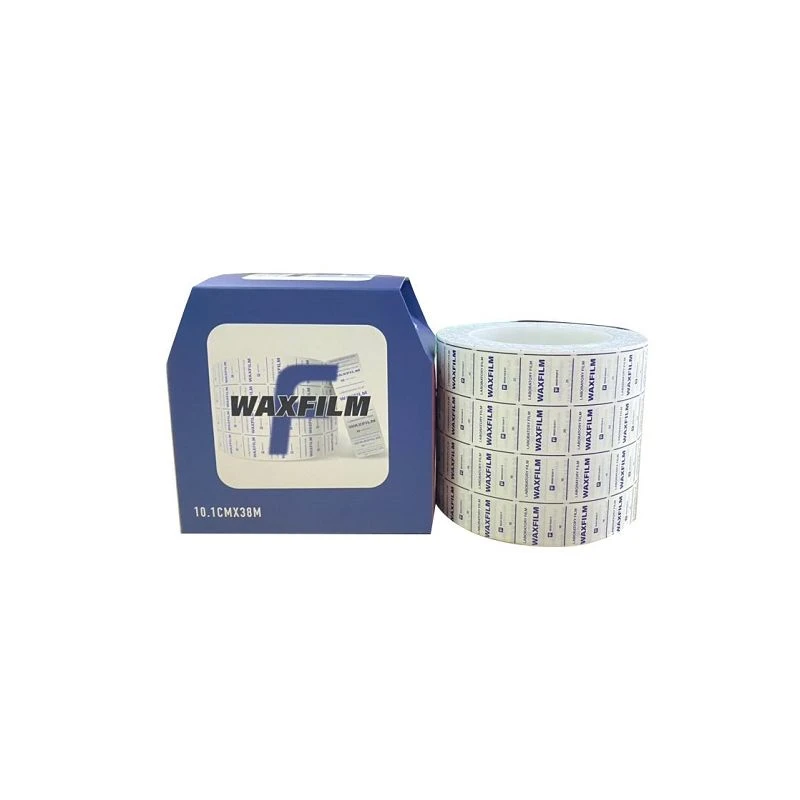

Parafilm is a popular sealing material, especially in laboratory settings. However, it is highly susceptible to sunlight degradation. The organic polymers in Parafilm can be easily broken down by UV radiation, and it can quickly lose its sealing properties when exposed to sunlight. It may also melt or deform under the heat from sunlight, making it unsuitable for long - term outdoor applications.
Aluminum foil sealing has better resistance to sunlight compared to Parafilm. Aluminum is a metal that is relatively stable under sunlight exposure. It does not undergo photodegradation like polymers. However, aluminum foil may not be as flexible as silicone sealing mats, and it may not conform as well to irregular surfaces.
Applications and Precautions
Despite the potential for sunlight - induced degradation, silicone sealing mats still have many applications where they can be used effectively. In indoor applications, where sunlight exposure is limited, silicone mats can provide long - lasting sealing solutions. For example, in a laboratory, a silicone sealing mat can be used to seal PCR plates, protecting the samples from contamination. You can find high - quality Silicone Sealing Mat for such applications on our website.
If you need to use silicone sealing mats in outdoor applications, it's important to take precautions. You can choose mats with high - quality UV stabilizers and ensure that they are not directly exposed to sunlight for extended periods. For example, you can use shading devices or store the mats indoors when not in use.
Conclusion
In conclusion, sunlight can have a significant impact on silicone sealing mats. UV radiation is the main culprit, causing photodegradation that leads to discoloration, loss of elasticity, and brittleness. Visible light and IR radiation also contribute to the degradation process, especially in combination with other factors. However, by understanding the factors that affect the reaction to sunlight and taking appropriate precautions, the lifespan of silicone sealing mats can be extended.
If you are in the market for high - quality silicone sealing mats or have any questions about their performance in different environments, we are here to help. Our team of experts can provide you with detailed information and guidance on choosing the right product for your specific needs. Whether you are a laboratory researcher, a kitchen enthusiast, or an industrial professional, we have the silicone sealing solutions for you. Contact us to start a procurement discussion and find the best silicone sealing mats for your applications.
References
- ASTM International. Standard test methods for evaluating the weathering resistance of plastics.
- Polymer Degradation and Stability Journal. Various articles on the degradation of silicone polymers.
- Manufacturer's technical data sheets on silicone sealing mats.