

How does ESR Fast Detectora detect substances in textile samples?
Jan 13, 2026
Leave a message
Hey there! I'm a supplier of ESR Fast Detectora, and today I'm gonna walk you through how this amazing device detects substances in textile samples. It's a pretty cool process, and I'm excited to share it with you.
Understanding the Basics of ESR Fast Detectora
First off, let's talk a bit about what ESR Fast Detectora is. ESR stands for Electron Spin Resonance, which is a technique used to detect and analyze free radicals and other paramagnetic species. The ESR Fast Detectora is a specialized instrument that uses this principle to quickly and accurately detect various substances in textile samples.
The main advantage of using ESR Fast Detectora is its speed. Traditional methods of substance detection in textiles can be time - consuming, often involving multiple steps like sample preparation, chemical reactions, and long analysis times. But with ESR Fast Detectora, we can get results in a fraction of the time, which is a huge plus for textile manufacturers who need to meet tight production schedules.
Sample Preparation
Before we can start detecting substances in textile samples, we need to prepare the samples properly. This is a crucial step because it can affect the accuracy of the detection results.
The first thing we do is cut the textile sample into small pieces. This increases the surface area of the sample, allowing the ESR Fast Detectora to interact more effectively with the substances present in the textile. After cutting, we usually clean the sample to remove any dirt, dust, or other contaminants that could interfere with the detection process.
Sometimes, we might also need to extract the substances from the textile. This can be done using solvents. For example, if we're trying to detect a particular chemical additive in the textile, we can use a solvent that is known to dissolve that chemical. Once the substances are extracted, we transfer the solution to a special container that can be placed in the ESR Fast Detectora.
How ESR Fast Detectora Works
Now, let's get into the nitty - gritty of how the ESR Fast Detectora actually detects substances.
The ESR Fast Detectora works by generating a magnetic field. When a textile sample (or the extracted solution) is placed in this magnetic field, the unpaired electrons in the substances we're trying to detect start to behave in a certain way. Unpaired electrons have a property called spin, which can be thought of as a tiny magnetic moment.
In the presence of the magnetic field, the unpaired electrons can either align with the field or against it. The energy difference between these two states is what the ESR Fast Detectora measures. By applying a radiofrequency pulse to the sample, we can cause the electrons to transition between these two states. The ESR Fast Detectora then detects the absorption of the radiofrequency energy, which creates a signal.
This signal is unique to each type of substance with unpaired electrons. By analyzing the shape, intensity, and position of the signal, we can identify the substances present in the textile sample. For example, different chemicals will have different ESR spectra, just like people have different fingerprints.
Detection of Different Substances
The ESR Fast Detectora can be used to detect a wide range of substances in textile samples.
Dyes and Pigments
Textiles are often colored using dyes and pigments. Some of these dyes and pigments may contain heavy metals or other harmful substances. The ESR Fast Detectora can detect these substances by looking for the characteristic ESR signals of the metal ions or other paramagnetic species in the dyes and pigments. This is important for ensuring that the textiles meet safety and environmental standards.
Chemical Additives
Textiles may also contain various chemical additives, such as flame retardants, anti - microbial agents, and water - repellent agents. The ESR Fast Detectora can quickly identify these additives by detecting the unpaired electrons in their molecules. This helps textile manufacturers ensure that they are using the right amount of additives and that the additives are of the correct quality.
Contaminants
Sometimes, textiles can be contaminated with substances like pesticides, which may have been used during the growing of the raw materials. The ESR Fast Detectora can detect these contaminants by looking for the ESR signals of the pesticide molecules. This is crucial for ensuring the safety of the end - users of the textiles.
The Role of Laboratory Consumables
In the process of using the ESR Fast Detectora, laboratory consumables play an important role. For example, Pipettors Rack is used to hold pipettes, which are essential for accurately measuring and transferring liquids during sample preparation. A good pipettors rack helps keep the pipettes organized and in good condition, ensuring the accuracy of the liquid handling process.
Recycle And Wheeled Medical Waste Container is also very useful. After sample preparation, there will be some waste materials, such as used solvents and contaminated samples. This container allows for the proper disposal and recycling of these waste materials, which is not only good for the environment but also helps maintain a clean and safe laboratory environment.
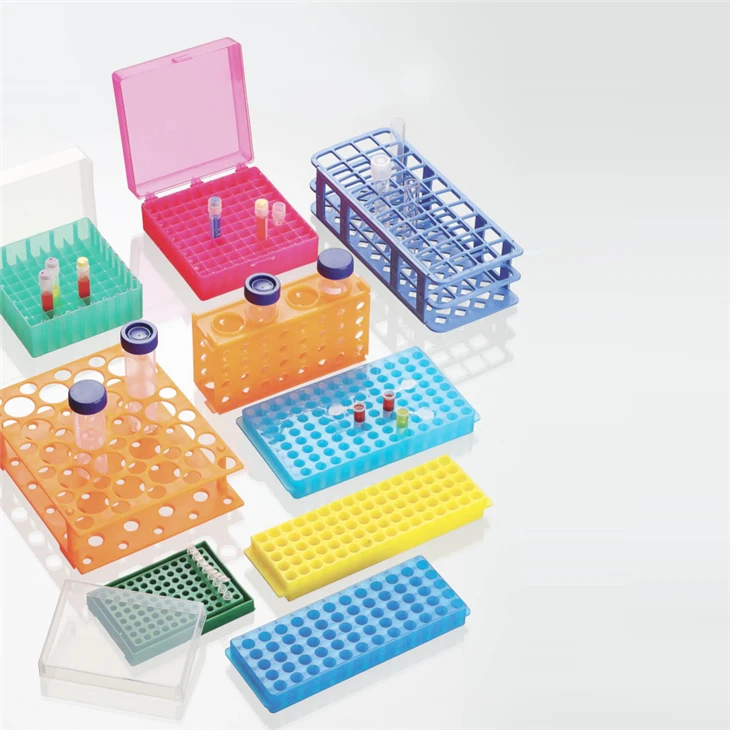
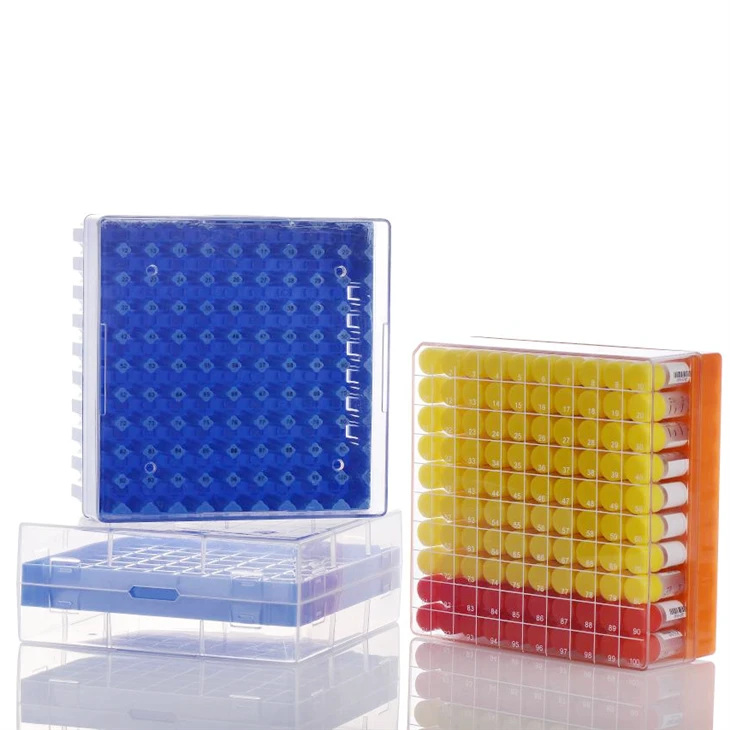
Crovials Rack is used to hold small vials that may contain the extracted substances or prepared samples. It keeps the vials in an orderly manner, making it easier to handle and store the samples during the detection process.
Advantages of Our ESR Fast Detectora
Our ESR Fast Detectora has several advantages over other similar devices on the market.
Firstly, it's very user - friendly. The interface is intuitive, and the operation process is simple. Even people with limited technical knowledge can easily learn how to use it. This means that textile manufacturers don't need to spend a lot of time and money on training their employees.
Secondly, our ESR Fast Detectora is highly accurate. It can detect substances at very low concentrations, which is crucial for ensuring the quality and safety of textiles. The advanced technology used in our device minimizes errors and provides reliable results.
Thirdly, our device is very durable. It's built with high - quality materials and components, which can withstand the rigors of continuous use in a laboratory environment. This reduces the need for frequent repairs and replacements, saving textile manufacturers a lot of money in the long run.
Contact Us for Purchase and Consultation
If you're in the textile industry and are looking for a reliable and efficient way to detect substances in your textile samples, our ESR Fast Detectora is the perfect solution. Whether you're a small - scale textile producer or a large - scale manufacturer, our device can meet your needs.
We offer excellent after - sales service, including technical support and maintenance. If you have any questions about our ESR Fast Detectora or want to discuss a potential purchase, please don't hesitate to get in touch with us. We're always happy to help you find the best solution for your business.
References
- "Electron Spin Resonance: Principles and Applications" by John A. Weil, James R. Bolton, and Jack E. Wertz.
- "Textile Chemistry and Technology" by A. R. Horrocks and C. A. Anand.
- "Laboratory Techniques in Textile Testing" by B. R. Gupta.