

How long can Agilent Tips be stored?
Dec 10, 2025
Leave a message
Hey there! As a supplier of Agilent Tips, I often get asked the question: "How long can Agilent Tips be stored?" Well, let's dive right into it and explore the ins and outs of storing these essential lab tools.
First off, it's important to understand that the storage duration of Agilent Tips can be influenced by several factors. The primary ones include the storage conditions, the type of tips, and whether they've been opened or not.
Unopened Agilent Tips
When it comes to unopened Agilent Tips, they're generally designed to have a relatively long shelf - life. Most manufacturers, including Agilent, state that unopened tips can be stored for around 2 - 3 years under proper conditions.
The key here is "proper conditions." These tips should be stored in a cool, dry place. A temperature range of around 20 - 25°C (68 - 77°F) is ideal. Humidity can be a real nemesis for these tips. High humidity can lead to moisture buildup inside the packaging, which might cause the tips to stick together or even develop mold in extreme cases. So, a humidity level of around 40 - 60% is recommended.
Another important aspect is the storage location. Keep the tips away from direct sunlight and sources of heat, like radiators or heaters. Sunlight can cause the plastic material of the tips to degrade over time, affecting their structural integrity and performance.
Opened Agilent Tips
Once you've opened a box of Agilent Tips, the storage situation changes a bit. An opened box of tips is more exposed to the environment, which means the shelf - life is typically shorter. In general, opened tips should be used within 3 - 6 months.
The reason for this shorter duration is that once the packaging is opened, the tips are at risk of contamination. Dust, airborne particles, and even microorganisms can find their way onto the tips, especially if they're not stored properly. To minimize this risk, it's a good idea to keep the opened box in a clean, enclosed space. Some labs use dedicated tip storage cabinets or drawers that are regularly cleaned and disinfected.
Impact of Tip Type
Not all Agilent Tips are created equal when it comes to storage. Different types of tips, such as filter tips, low - retention tips, and standard tips, may have slightly different storage requirements and durations.
Filter tips, for example, are designed to prevent aerosols and contaminants from entering the pipette. These tips usually have a longer storage life compared to non - filter tips because the filter provides an extra layer of protection. As long as the filter remains intact, the tip can be stored for a reasonable amount of time.
Low - retention tips are coated with a special material to reduce sample adhesion. This coating can be sensitive to environmental factors. High humidity or extreme temperatures can cause the coating to degrade, which might affect the tip's performance. So, these tips need to be stored more carefully, and their storage duration might be a bit shorter, especially if the storage conditions are not optimal.
Comparing with Other Tips
It's also interesting to compare the storage of Agilent Tips with other popular pipette tips in the market, like Dynex Tip, Evolis Tip, and Xantus Tip.

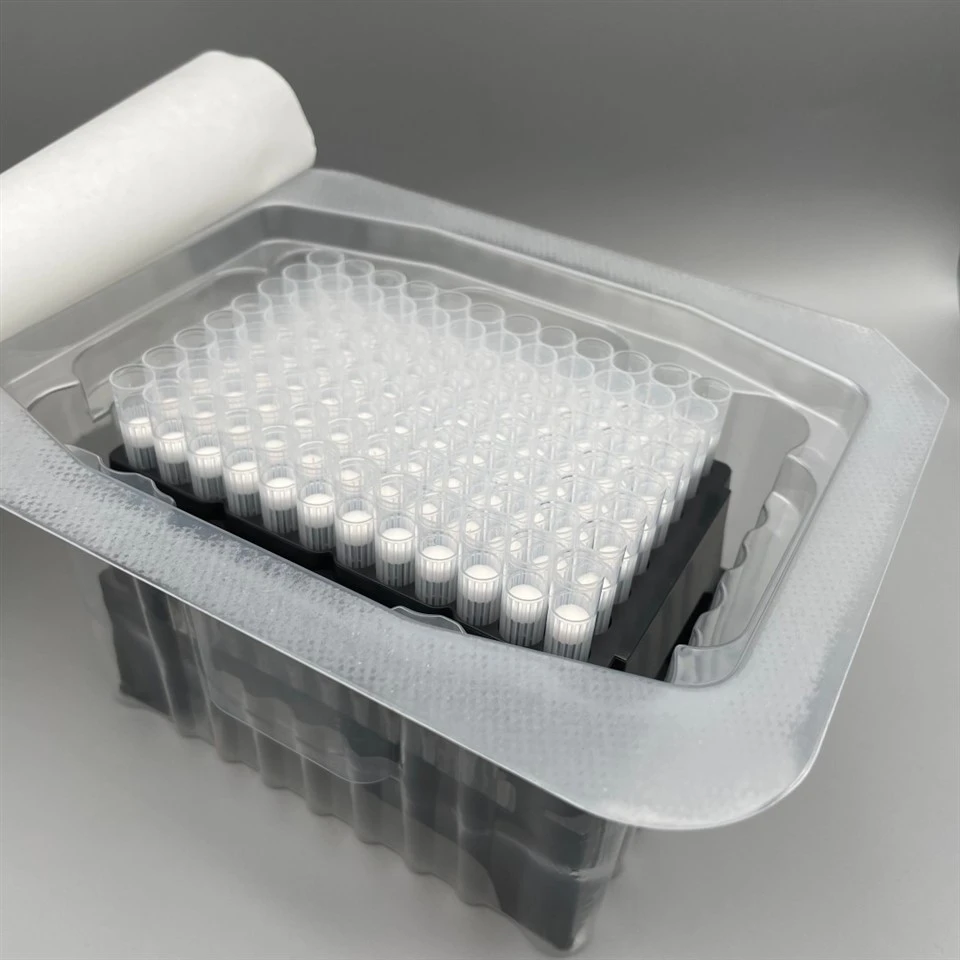
Dynex Tips are known for their high - quality construction. Similar to Agilent Tips, unopened Dynex Tips can be stored for 2 - 3 years under proper conditions. However, their opened shelf - life might be a bit longer in some cases, around 6 - 9 months, due to their robust packaging and design.
Evolis Tips are designed with advanced features for precise pipetting. These tips are quite sensitive to environmental changes. Unopened, they can last about 2 years, but once opened, they should be used within 3 - 4 months to ensure optimal performance.
Xantus Tips are popular for their affordability and reliability. They have a storage profile similar to Agilent Tips. Unopened Xantus Tips can be stored for 2 - 3 years, and opened ones should be used within 3 - 6 months.
Signs of Spoiled Tips
So, how do you know if your Agilent Tips have gone bad? There are a few tell - tale signs. If you notice any discoloration, such as yellowing or browning of the tips, it's a sign that the plastic might be degrading. Tips that are sticky or have a strange odor could also be contaminated or spoiled.
Another sign is if the tips don't fit properly on the pipette or if they break easily. This could indicate that the structural integrity of the tips has been compromised, either due to improper storage or long - term exposure to unfavorable conditions.
Best Practices for Storage
To make the most of your Agilent Tips and ensure their long - term usability, here are some best practices:
- Labeling: Always label the boxes of tips with the date of opening. This will help you keep track of how long the tips have been open and when they should be discarded.
- Rotation: Use the "first - in, first - out" principle. This means using the oldest boxes of tips first to avoid having tips expire in storage.
- Inspection: Regularly inspect the tips for any signs of damage or spoilage. If you find any bad tips, remove them from the box to prevent contamination of the remaining ones.
Conclusion
In conclusion, the storage duration of Agilent Tips depends on whether they're opened or unopened, the type of tips, and the storage conditions. Unopened tips can last 2 - 3 years under proper conditions, while opened tips should be used within 3 - 6 months. By following the best practices for storage and being aware of the signs of spoiled tips, you can ensure that your Agilent Tips perform at their best.
If you're in the market for high - quality Agilent Tips or have any questions about their storage or usage, don't hesitate to reach out. We're here to help you make the most of your lab supplies and ensure the success of your experiments. Let's start a conversation about your procurement needs and find the best solutions for your lab!
References
- Manufacturer's guidelines for Agilent Tips
- Industry standards for pipette tip storage
- Research on the impact of environmental factors on plastic lab consumables