

What is the difference between a flat - bottomed and a round - bottomed laboratory stirrer bar?
Oct 09, 2025
Leave a message
Hey there! As a supplier of Laboratory Stirrer Bars, I often get asked about the differences between flat-bottomed and round-bottomed laboratory stirrer bars. It's a topic that might seem a bit technical at first, but it's actually pretty straightforward once you break it down. So, let's dive in and explore what sets these two types of stirrer bars apart.
Shape and Design
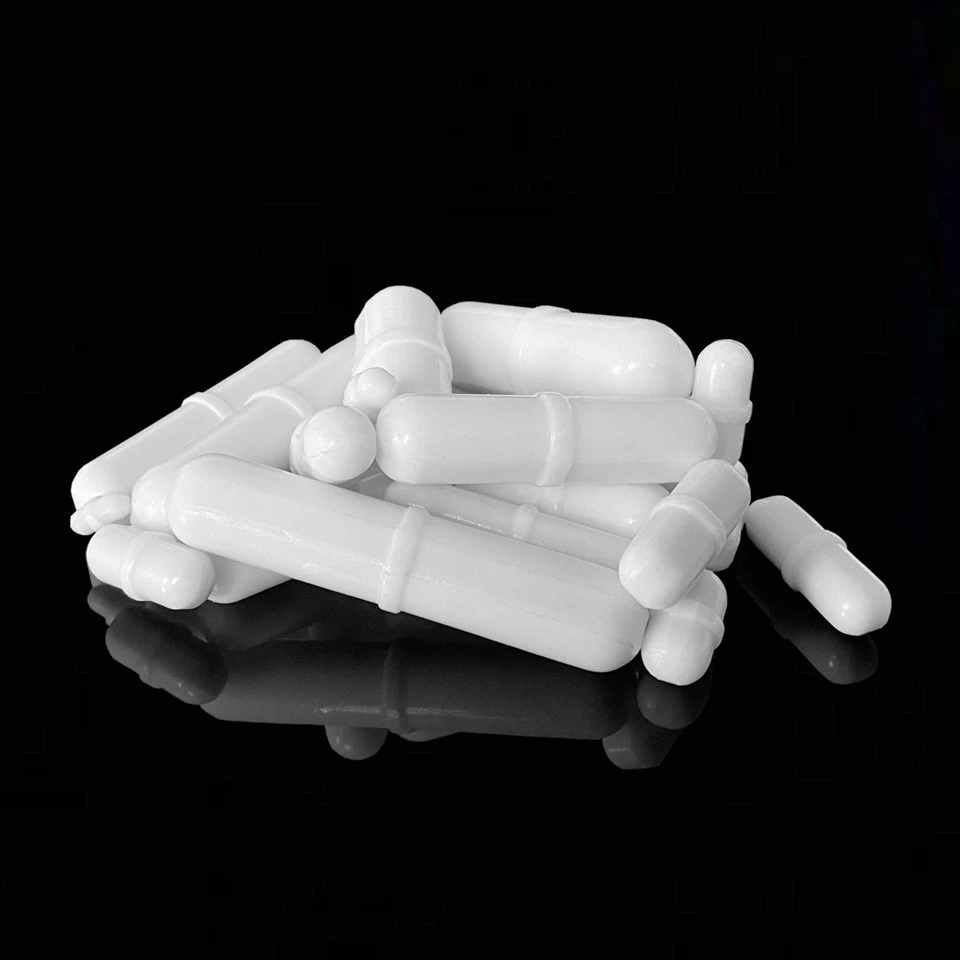
The most obvious difference between flat-bottomed and round-bottomed stirrer bars is, well, their shape. Flat-bottomed stirrer bars, as the name suggests, have a flat base. This design makes them stable when placed on a flat surface, like the bottom of a beaker or a flask. They're kind of like little pancakes that sit snugly at the bottom of your container.
On the other hand, round-bottomed stirrer bars have a curved base. This shape allows them to move more freely in a round-bottomed flask or other curved containers. They're like little balls that can roll around and mix things up in a more dynamic way.
Mixing Efficiency
When it comes to mixing, both types of stirrer bars have their own advantages. Flat-bottomed stirrer bars are great for creating a strong, consistent flow in flat-bottomed containers. The flat surface helps to push the liquid in a more linear direction, which can be really effective for homogenizing solutions or dispersing solids evenly.
Round-bottomed stirrer bars, however, are better suited for round-bottomed containers. The curved shape allows them to follow the contours of the container, creating a more turbulent flow. This can be beneficial for mixing viscous liquids or for achieving a more thorough mixing in a shorter amount of time.

Compatibility with Containers
Another important factor to consider is the compatibility of the stirrer bar with the container you're using. Flat-bottomed stirrer bars are designed to work best in flat-bottomed beakers, flasks, and other containers. They provide a stable base and ensure that the mixing action is focused at the bottom of the container.
Round-bottomed stirrer bars, on the other hand, are specifically designed for round-bottomed flasks and other curved containers. Using a round-bottomed stirrer bar in a flat-bottomed container might not be as effective, as it won't be able to make full use of its curved shape.
Cleaning and Maintenance
Cleaning and maintaining your stirrer bars is crucial to ensure their longevity and performance. Flat-bottomed stirrer bars are generally easier to clean because of their simple shape. You can easily reach all the surfaces with a brush or a cleaning solution, and they dry quickly.
Round-bottomed stirrer bars, on the other hand, can be a bit more challenging to clean. The curved surface can trap debris and contaminants, so you might need to use a more thorough cleaning method, such as ultrasonic cleaning. However, with proper care, both types of stirrer bars can last for a long time.
Applications
The choice between flat-bottomed and round-bottomed stirrer bars also depends on the specific application you're working on. Here are some common applications for each type:
Flat-Bottomed Stirrer Bars
- General Mixing: Ideal for routine mixing tasks in flat-bottomed containers, such as preparing solutions, diluting samples, or dissolving solids.
- Cell Culture: Used in cell culture applications to ensure uniform distribution of nutrients and oxygen in the culture medium.
- Chemical Reactions: Can be used to promote chemical reactions by providing a consistent mixing environment.
Round-Bottomed Stirrer Bars
- Organic Synthesis: Commonly used in organic synthesis reactions, where the turbulent flow created by the round-bottomed stirrer bar helps to enhance the reaction rate.
- Distillation: Used in distillation processes to prevent bumping and ensure a smooth distillation.
- Emulsion Preparation: Ideal for preparing emulsions, as the round-bottomed stirrer bar can create a more stable and homogeneous mixture.
Cost
Cost is always a consideration when choosing laboratory equipment. In general, flat-bottomed stirrer bars are less expensive than round-bottomed stirrer bars. This is because they are simpler to manufacture and require less material. However, the cost difference might not be significant, especially if you're buying in bulk.
Conclusion
So, there you have it! The main differences between flat-bottomed and round-bottomed laboratory stirrer bars. As a supplier of Laboratory Stirrer Bars, I understand that choosing the right stirrer bar for your needs can be a bit overwhelming. But by considering factors such as shape, mixing efficiency, compatibility, cleaning, applications, and cost, you can make an informed decision.
If you're still not sure which type of stirrer bar is right for you, or if you have any other questions, feel free to reach out to me. I'm here to help you find the best solution for your laboratory needs. Whether you're a researcher, a scientist, or a laboratory technician, I'm confident that we can find the perfect stirrer bars for your experiments.
So, don't hesitate to contact me if you're interested in purchasing Laboratory Stirrer Bars. I'll be more than happy to discuss your requirements and provide you with a quote. Let's work together to make your laboratory experiments a success!
References
- "Laboratory Techniques in Chemistry" by Mohrig, Hammond, and Schatz.
- "A Guide to Laboratory Equipment" by Smith and Johnson.
- Various research papers and articles on laboratory mixing techniques.