

Can a rapids test be used in long - term care facilities?
Nov 20, 2026
Leave a message
As a supplier of rapid tests, I've witnessed firsthand the transformative impact that these tests can have in various healthcare settings. One area that has particularly piqued my interest is the use of rapid tests in long - term care facilities. In this blog, I'll explore whether rapid tests can be effectively used in long - term care facilities, diving into the scientific, practical, and logistical aspects.

The Need for Rapid Tests in Long - Term Care Facilities
Long - term care facilities, such as nursing homes and assisted living centers, house vulnerable populations, often elderly individuals who may have pre - existing health conditions. The risk of infectious diseases, such as influenza, COVID - 19, and urinary tract infections, spreading within these facilities is high due to the close - quarters living arrangements.
Rapid tests offer a quick and relatively easy way to screen for these diseases. For example, Infectious Disease Rapid Test can provide results in a matter of minutes, allowing for immediate isolation of infected individuals and prompt treatment. This is crucial in long - term care facilities, where a single case of an infectious disease can quickly turn into an outbreak, putting the health and lives of all residents at risk.
Scientific Validity of Rapid Tests
The scientific backing of rapid tests is a fundamental aspect when considering their use in long - term care facilities. Most rapid tests are based on well - established biochemical principles. For instance, antigen tests for infectious diseases detect specific proteins on the surface of pathogens. These tests are designed to be highly specific, meaning they are unlikely to show a positive result if the pathogen is not present, and have a reasonable level of sensitivity, capable of detecting the pathogen even at relatively low levels.
However, it's important to note that no test is perfect. The sensitivity of rapid tests can vary depending on the pathogen, the stage of the infection, and the quality of the test itself. In some cases, a negative rapid test result does not completely rule out an infection. For example, in the early stages of a COVID - 19 infection, the viral load may be too low to be detected by rapid antigen tests. Thus, it's often recommended to use rapid tests in conjunction with other diagnostic methods, such as polymerase chain reaction (PCR) tests, for a more comprehensive assessment.
Types of Rapid Tests Suitable for Long - Term Care Facilities
There is a wide range of rapid tests available on the market that are suitable for long - term care facilities.
- Cardiac Marker Rapid Test: These tests can be used to detect cardiac markers such as troponin and creatine kinase - MB in the blood. In long - term care facilities, residents may be at risk of heart attacks and other cardiac events. Cardiac marker rapid tests can provide quick results, allowing for timely intervention and potentially saving lives.
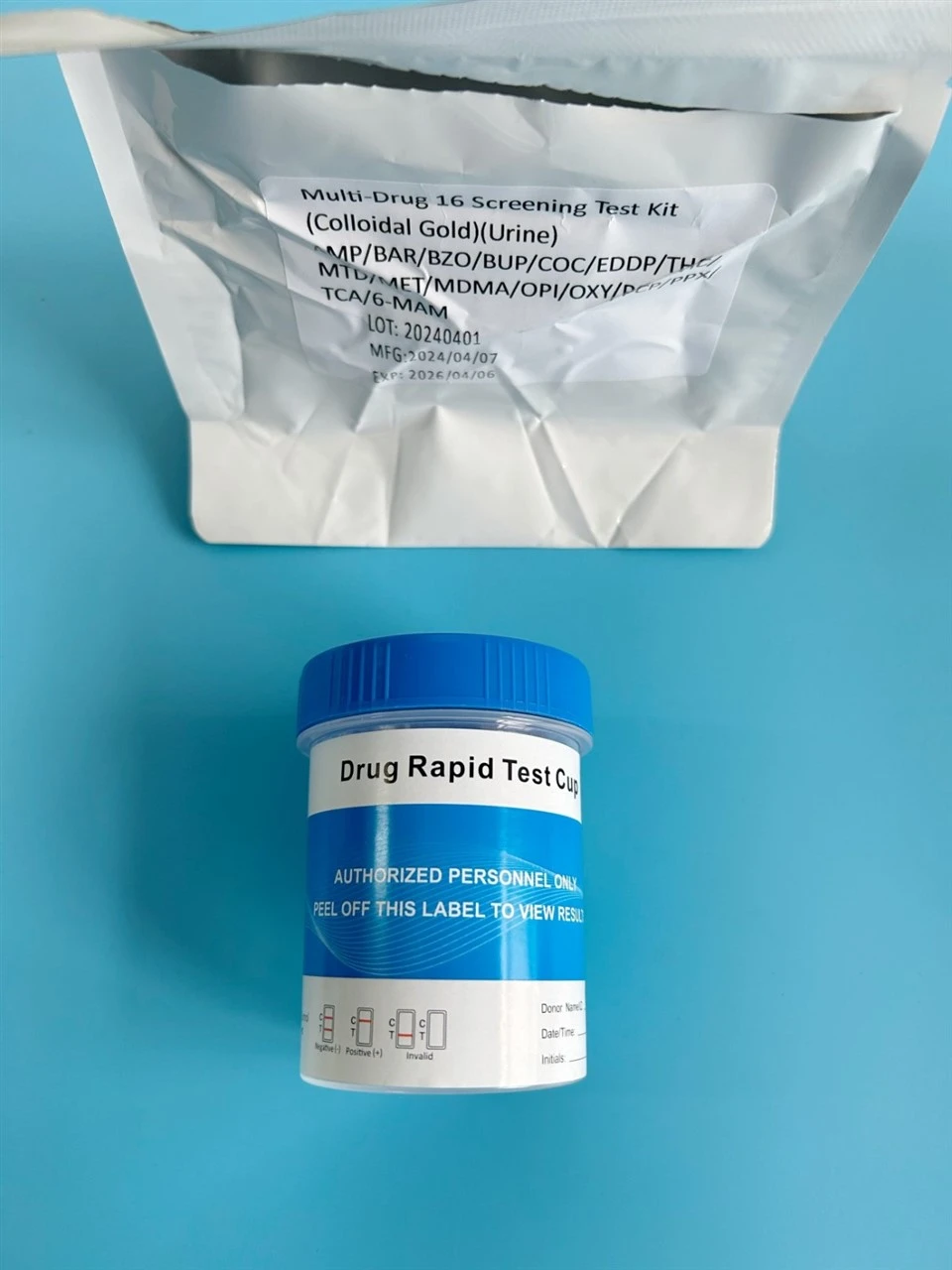
- Drugs Of Abuse Rapid Test: In some long - term care facilities, there may be a need to screen residents for drug abuse. These rapid tests can detect the presence of various drugs in urine or saliva, providing a non - invasive and quick way to monitor for substance use.
- VET Urine Test Strips: Although primarily designed for veterinary use, these urine test strips can also be used in long - term care facilities to screen for common urinary tract infections and other urinary abnormalities. They are easy to use and can provide rapid results.
- Urinalysis Reagent Rapid Test: These tests can offer a comprehensive analysis of urine, detecting parameters such as glucose, protein, and blood cells. Urinary tract infections are common in long - term care residents, and these tests can help in early detection and treatment.
Practicality in Long - Term Care Facilities
One of the major advantages of rapid tests in long - term care facilities is their practicality. They are generally easy to use and do not require highly specialized training. Many rapid tests come with step - by - step instructions, and in most cases, the staff in long - term care facilities can be trained to administer the tests within a short period.
Moreover, rapid tests do not require bulky and expensive laboratory equipment. They can be performed on - site, eliminating the need to send samples to an external laboratory and waiting for days to get the results. This on - site testing capability is crucial in long - term care facilities, where quick decision - making regarding isolation and treatment is essential.
Logistical Considerations
While rapid tests offer many benefits, there are also logistical considerations when using them in long - term care facilities. One of the main challenges is the cost. Rapid tests can be expensive, especially if they are used regularly for screening purposes. Long - term care facilities need to balance the cost of testing with the potential benefits of preventing disease outbreaks.
Another logistical issue is the storage and handling of the tests. Some rapid tests require specific storage conditions, such as refrigeration, to maintain their effectiveness. Long - term care facilities need to ensure that they have the appropriate storage facilities and that the staff is trained to handle the tests correctly.
Training and Quality Control
To ensure the accurate use of rapid tests, training and quality control are essential. Staff in long - term care facilities should receive proper training on how to collect specimens, perform the tests, and interpret the results. Regular quality control checks should also be conducted to ensure that the tests are working correctly. This can involve running control samples alongside patient samples to verify the accuracy of the test results.
Conclusion
In conclusion, rapid tests can be a valuable tool in long - term care facilities. They offer a quick and practical way to screen for infectious diseases, cardiac events, drug abuse, and urinary abnormalities. However, their use should be carefully considered, taking into account the scientific validity of the tests, practicality, logistical challenges, and the need for proper training and quality control.
If you're interested in exploring the use of rapid tests in your long - term care facility, I encourage you to reach out for a procurement discussion. We can work together to determine the most suitable rapid tests for your specific needs and develop a plan to implement them effectively.
References
- Centers for Disease Control and Prevention. (2023). Rapid Diagnostic Tests for Infectious Diseases.
- World Health Organization. (2023). Guidelines for the Use of Rapid Tests in Healthcare Settings.
- American College of Cardiology. (2023). Cardiac Marker Testing in Long - Term Care Facilities.