

How do I know if a rapids test is expired?
Nov 20, 2026
Leave a message
As a supplier of rapid tests, I often encounter questions from customers about how to determine if a rapid test is expired. This is a crucial concern because using an expired test can lead to inaccurate results, which can have serious implications for both personal health and public safety. In this blog post, I'll share some key insights into identifying expired rapid tests and why it matters.
Understanding the Importance of Expiration Dates
Expiration dates on rapid tests are not arbitrary; they are based on scientific research and testing. Over time, the chemical components of a rapid test can degrade, which affects their ability to accurately detect the target substance. For example, in a pregnancy rapid test, the antibodies that bind to the pregnancy hormone may lose their effectiveness. Similarly, in an infectious disease rapid test, the reagents designed to react with specific pathogens may become less sensitive.
Using an expired test can give false positives or false negatives. A false positive might lead to unnecessary anxiety, additional testing, or even inappropriate treatment. On the other hand, a false negative could result in a delay in seeking proper medical attention, potentially allowing the condition to worsen.
Where to Find the Expiration Date
The first step in determining if a rapid test is expired is to locate the expiration date on the product packaging. In most cases, the expiration date is clearly printed on the outer box or vial of the test. It is usually presented in a month-year format (e.g., 06/24), indicating the month and year when the test expires.
Some rapid tests also have a lot number, which can be used to track the production batch and expiration information. If you have any doubts about the expiration date or if the label is damaged, it's best to contact the manufacturer or supplier for clarification.

Visual Inspection of the Test Kit
In addition to checking the expiration date, you can also perform a visual inspection of the test kit. An expired rapid test may show visible signs of deterioration. For example, the test strips may appear discolored, brittle, or have a strange odor. In the case of liquid reagents, they may have changed in color, consistency, or developed sediment.
If you notice any of these signs, even if the expiration date has not passed, it's advisable not to use the test. These visual changes can indicate that the chemical components have been compromised, and the test results may not be reliable.
Storage Conditions and Expiration
Proper storage is essential for maintaining the integrity of rapid tests and ensuring that they remain effective until their expiration date. Rapid tests should be stored according to the manufacturer's instructions, which typically include recommendations for temperature, humidity, and light exposure.
Most rapid tests are designed to be stored at room temperature (between 15°C and 30°C), away from direct sunlight and moisture. If a test has been exposed to extreme temperatures or humidity, it may expire earlier than the printed date. For instance, storing a test in a hot car or a damp basement can accelerate the degradation of the reagents.
Specific Types of Rapid Tests and Expiration
Let's take a look at some specific types of rapid tests and how to check for expiration:
- VET Urine Test Strips: These strips are used to detect various substances in animal urine. Check the expiration date on the packaging and look for any signs of discoloration or damage on the strips. If the color of the test pads has changed significantly, it may indicate expiration.
- Urinalysis Reagent Rapid Test: Similar to VET urine test strips, pay attention to the expiration date and any visual changes in the reagents or test strips. These tests are used to analyze human urine for various health markers, and an expired test can lead to inaccurate readings.
- Infectious Disease Rapid Test: Whether it's a test for COVID-19, influenza, or other infectious diseases, always check the expiration date. In addition, make sure the test device is sealed properly and that there are no visible signs of damage. An expired infectious disease rapid test may not accurately detect the presence of the pathogen, which can pose a risk to public health.
- Fertility Rapid Test: Fertility tests are used to detect hormones related to ovulation or pregnancy. Check the expiration date and the condition of the test strips. If the strips are dry, brittle, or have a strange color, they may be expired.
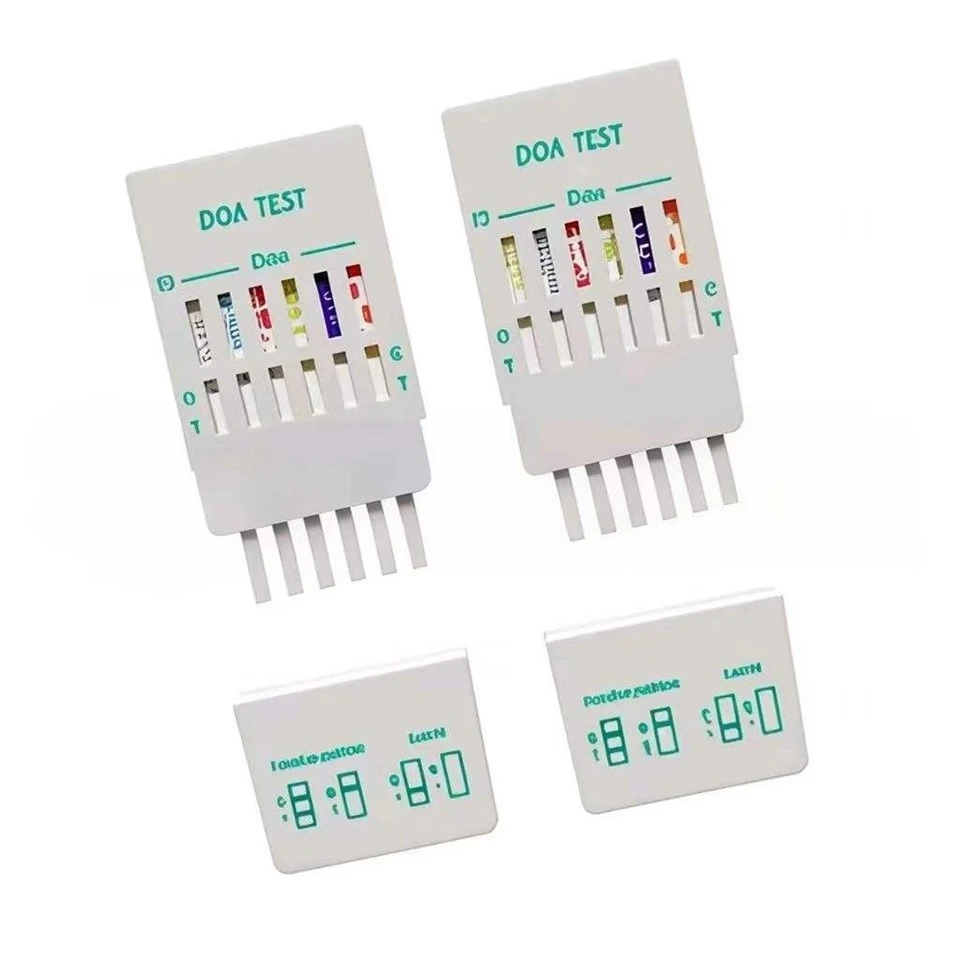
- Drugs Of Abuse Rapid Test: These tests are used to detect the presence of drugs in a person's system. Look for the expiration date and any signs of damage or deterioration in the test device. An expired drug test may give false results, which can have serious consequences, especially in a workplace or legal setting.
What to Do with Expired Rapid Tests
If you discover that a rapid test is expired, do not use it. Instead, dispose of it properly according to local regulations. In many cases, expired medical devices and tests can be disposed of in the regular trash, but it's always a good idea to check with your local waste management facility for specific instructions.
It's also important to keep track of the expiration dates of your rapid tests and restock them in a timely manner. This ensures that you always have reliable tests on hand when you need them.
Final Thoughts: Ensuring Accurate Results
As a supplier, I am committed to providing high-quality rapid tests and educating our customers on how to use them safely and effectively. Understanding how to determine if a rapid test is expired is an essential part of ensuring accurate results and protecting your health.
If you have any questions or need further information about our rapid tests, or if you're interested in placing an order for your business or personal use, please feel free to reach out. We're here to assist you with all your rapid testing needs and provide you with the best products and customer service.
References
- Manufacturer's instructions for rapid test products.
- Scientific studies on the stability and expiration of rapid test reagents.
Remember, using non - expired and properly stored rapid tests is crucial for making informed decisions about your health and well - being.